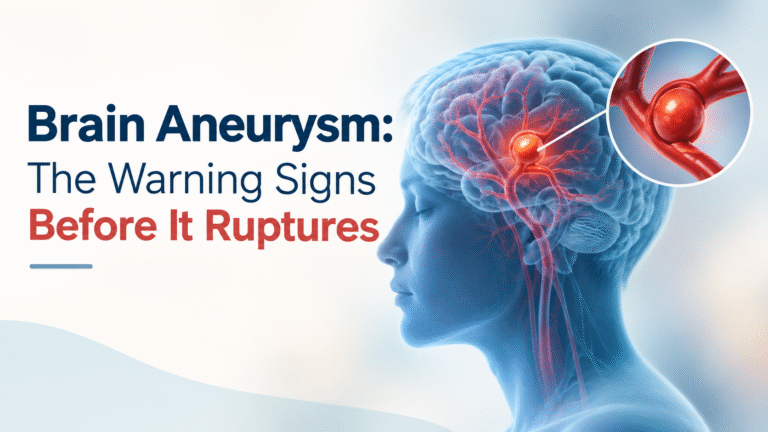
Can Neurosurgery Improve Quality of Life?
The idea of brain or spine surgery can feel overwhelming. For many, neurosurgery is associated with high risk and uncertainty. However, modern advancements have transformed neurosurgery into a highly precise and effective field—one that not only saves lives but also significantly improves quality of life.
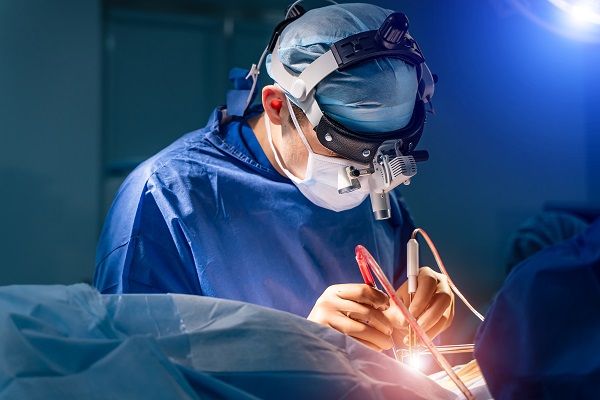
What Is Neurosurgery?
Neurosurgery focuses on diagnosing and treating conditions affecting the brain, spine, and nervous system. It is not limited to life-threatening situations; many procedures aim to relieve chronic pain, restore function, and help patients return to normal daily activities.
How Neurosurgery Enhances Quality of Life
1. Relief from Chronic Pain
Conditions like herniated discs or nerve compression can cause persistent pain that affects sleep, mobility, and mental health. Procedures targeting the spine or nerves can significantly reduce or eliminate this pain, allowing patients to regain independence.
2. Improved Mobility and Function
Neurological conditions often impact movement, balance, and coordination. Neurosurgery can help restore these functions by relieving pressure on nerves or correcting structural issues. Patients who once struggled to walk or perform simple tasks often experience remarkable improvement.
3. Treatment of Serious Conditions
Life-threatening conditions such as Brain Tumor or Stroke may require surgical intervention. Timely neurosurgery can prevent further damage, reduce complications, and in many cases, save lives while preserving neurological function.
4. Better Management of Neurological Disorders
Certain disorders, including Parkinson’s Disease and Epilepsy, can be managed with advanced neurosurgical techniques when medications are not effective. Procedures like deep brain stimulation or epilepsy surgery can reduce symptoms and improve day-to-day living.
5. Enhanced Mental and Emotional Well-being
Living with chronic neurological problems can take a toll on mental health. When physical symptoms improve after surgery, patients often experience reduced anxiety, better sleep, and increased confidence in their daily lives.
Is Neurosurgery Always Necessary?
Not all neurological conditions require surgery. Doctors usually recommend non-surgical treatments first, such as medication, physiotherapy, or lifestyle modifications. Surgery is considered when these methods fail or when the condition is severe or progressive.
Safety and Advancements
Modern neurosurgery has evolved with:
- Minimally invasive techniques
- Advanced imaging and navigation systems
- High-precision instruments
- Better anesthesia and post-operative care
These advancements have made procedures safer, reduced recovery time, and improved outcomes.