
Slip Disc vs Regular Back Pain — How to Tell the Difference
Back pain is one of the most common complaints I see in clinical practice. But not all back pain is the same and confusing a slipped disc with ordinary muscle pain can delay the right treatment significantly.
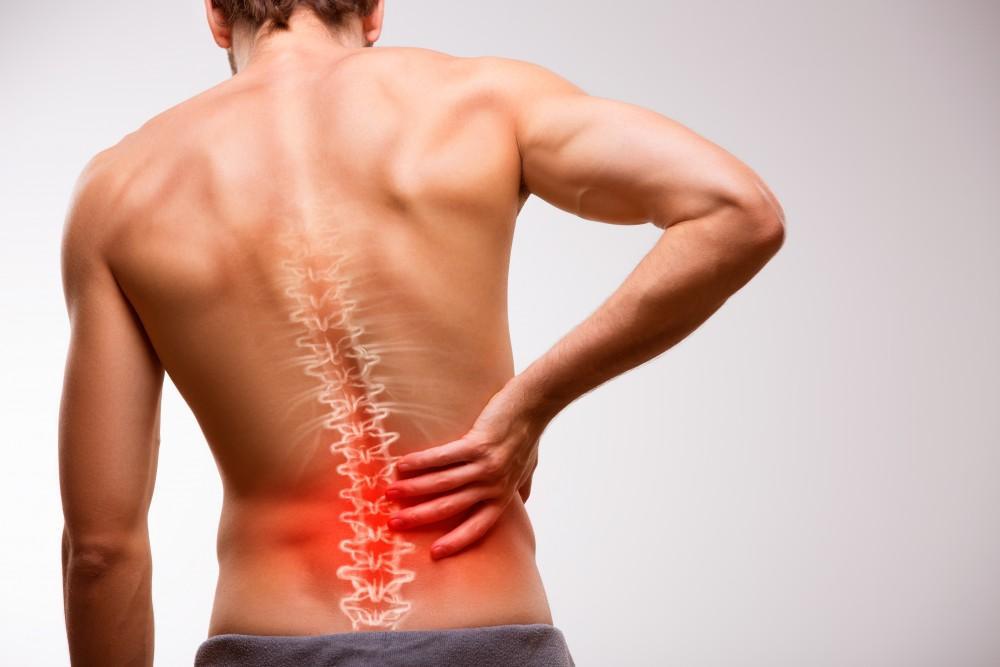
What Is Regular Back Pain?
Routine back pain also called mechanical or musculoskeletal back pain typically arises from muscle strain, poor posture, prolonged sitting, or overexertion. It is extremely common and affects people of all ages.
Key characteristics:
- Dull, aching pain localised to the lower or mid back
- Worsens with movement, improves with rest
- No radiation down the arms or legs
- Resolves within days to a few weeks with conservative care
- No associated weakness or numbness
This type of pain, while uncomfortable, rarely signals anything structurally serious.
What Is a Slipped Disc?
A slipped disc medically known as a herniated or prolapsed intervertebral disc occurs when the soft inner core of a spinal disc pushes through its outer casing and presses against a nearby nerve root or the spinal cord itself.
Key characteristics:
- Sharp, shooting, or burning pain that travels down one leg (sciatica) or one arm
- Numbness, tingling, or pins-and-needles sensation in limbs
- Muscle weakness in the leg, foot, arm, or hand
- Pain worsens with coughing, sneezing, or prolonged sitting
- In severe cases loss of bladder or bowel control (a medical emergency)
Why the Distinction Matters
Regular back pain often responds well to physiotherapy, rest, and anti-inflammatory medication. A herniated disc, however, may require targeted intervention — from nerve root injections and structured rehabilitation to minimally invasive surgical decompression when neurological function is at risk.
Treating a slipped disc like ordinary back pain means the underlying nerve compression continues — and nerve damage, unlike muscle strain, can become permanent.
When Should You See a Neurosurgeon?
If your back pain is accompanied by any radiating pain, weakness, or sensory changes in the limbs — do not self-medicate or wait it out. A clinical assessment and MRI can provide a clear diagnosis within hours.
Book a consultation with Dr. Sabyasachi Saha for accurate diagnosis and personalised treatment of your spinal condition.