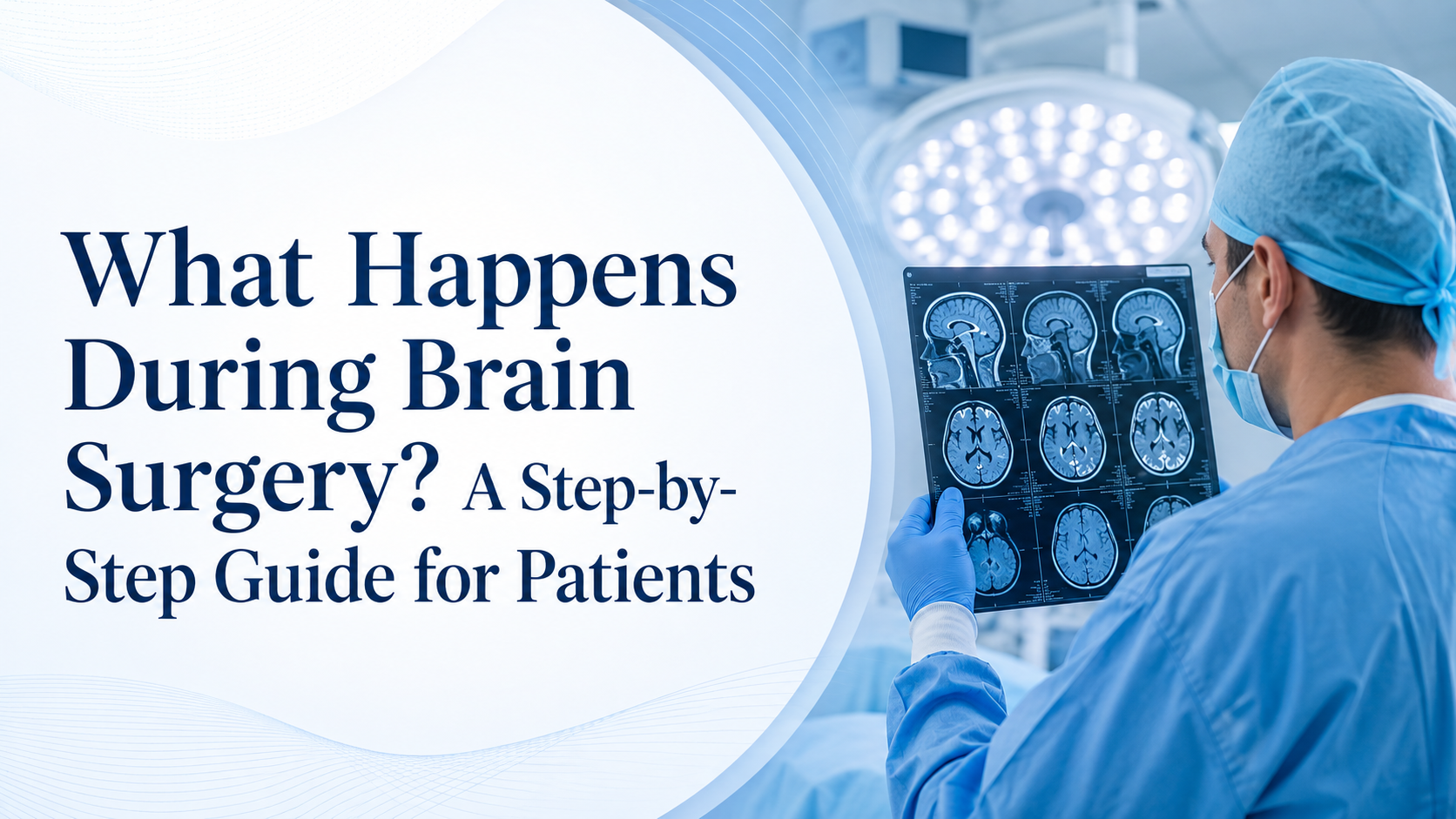
What Happens During Brain Surgery? A Step-by-Step Guide for Patients
Hearing that you or a loved one needs brain surgery can be overwhelming. It’s natural to have questions and concerns about what the procedure involves, how long it takes, and what recovery will be like. The good news is that advances in neurosurgery have made brain surgery safer, more precise, and less invasive than ever before.
Understanding the process can help reduce anxiety and prepare you for the journey ahead. Here’s a step-by-step guide to what typically happens during brain surgery.
Step 1: Pre-Surgical Evaluation
Before recommending brain surgery, your neurosurgeon will conduct a thorough evaluation. This usually includes:
- A detailed medical history and neurological examination
- MRI or CT scans to identify the exact location of the problem
- Blood tests and other routine investigations
- Discussion of the diagnosis, treatment options, benefits, and potential risks
Your doctor will explain the procedure, answer your questions, and obtain informed consent before surgery.
Step 2: Preparing for Surgery
On the day of surgery, you’ll be admitted to the hospital and prepared for the procedure.
This preparation may include:
- Changing into a hospital gown
- Starting an intravenous (IV) line for medications and fluids
- Meeting the anesthesiologist, who will review your medical history
- Monitoring your heart rate, blood pressure, and oxygen levels
Most brain surgeries are performed under general anesthesia, meaning you’ll be asleep and won’t feel any pain during the procedure.
Step 3: Entering the Operating Room
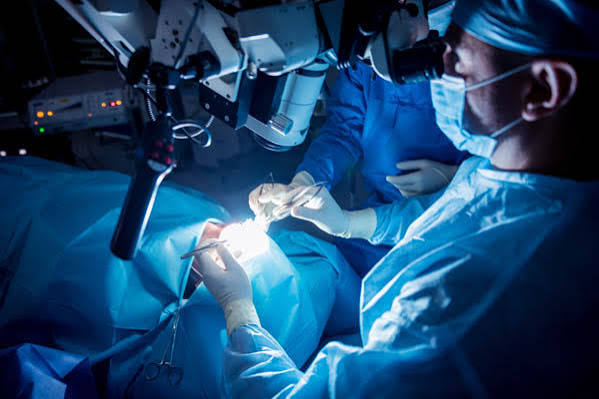
Once inside the operating room, you’ll be carefully positioned to give the surgeon the safest access to the affected area of the brain.
The surgical team uses advanced technologies such as:
- High-powered surgical microscopes
- Image-guided navigation systems
- Intraoperative monitoring of brain and nerve function
These tools help improve precision while protecting healthy brain tissue.
Step 4: Performing the Surgery
Depending on your condition, the neurosurgeon performs the necessary procedure, which may involve removing a brain tumor, repairing a blood vessel, treating epilepsy, relieving pressure, or addressing another neurological disorder.
In many cases, a small portion of the skull is temporarily removed to access the brain. This is known as a craniotomy. Once the surgery is complete, the bone flap is securely replaced using small plates and screws.
The duration of surgery varies depending on the complexity of the condition and may range from a few hours to much longer.
Step 5: Recovery After Surgery
After the procedure, you’ll be moved to the recovery room or Intensive Care Unit (ICU), where doctors and nurses closely monitor your condition.
They will regularly assess:
- Consciousness and alertness
- Movement and muscle strength
- Speech and vision
- Vital signs such as blood pressure, pulse, and oxygen levels
Pain is usually well managed with medications, and the medical team carefully watches for any early complications.
Step 6: Hospital Stay and Rehabilitation
The length of your hospital stay depends on the type of surgery and your overall health. Some patients return home within a few days, while others may require a longer stay and rehabilitation.
Recovery often includes:
- Gradual walking and physical activity
- Physiotherapy or occupational therapy if needed
- Speech therapy for patients with communication difficulties
- Follow-up imaging and regular consultations
Your healthcare team will provide detailed instructions regarding wound care, medications, activity restrictions, and follow-up appointments.
What Are the Risks?
Like any major operation, brain surgery carries certain risks, including infection, bleeding, blood clots, swelling, seizures, or neurological changes. However, modern surgical techniques, advanced imaging, and experienced neurosurgical teams have significantly improved safety and outcomes.
Your neurosurgeon will discuss the risks specific to your condition before the procedure.
The Bottom Line
Brain surgery may sound intimidating, but it is often the most effective treatment for many neurological conditions. Advances in medical technology have made procedures more accurate, safer, and focused on preserving normal brain function.
The key to a successful outcome lies in early diagnosis, choosing an experienced neurosurgeon, following medical advice, and participating actively in the recovery process. If brain surgery has been recommended, don’t hesitate to ask questions and discuss your concerns with your healthcare team. Being informed is the first step toward a confident and successful recovery.