
Numbness or Tingling: When Is It a Nerve Problem?
Have you ever experienced a sudden “pins and needles” sensation in your hands or feet? Occasional numbness or tingling is common and often harmless. However, when these sensations become frequent, persistent, or severe, they may indicate an underlying nerve-related issue that requires medical attention.

Understanding Numbness and Tingling
Numbness refers to a loss of sensation, while tingling is often described as a prickling or burning feeling. These sensations usually occur when nerves are irritated, compressed, or damaged.
In many cases, temporary numbness happens due to:
- Sitting or sleeping in an awkward position
- Pressure on a nerve (like crossing your legs too long)
- Reduced blood flow to a particular area
These typically resolve on their own within minutes.
When Should You Be Concerned?
Persistent or recurring numbness and tingling may signal a deeper neurological issue. You should seek medical evaluation if you notice:
- Symptoms lasting for several days
- Tingling associated with weakness or loss of coordination
- Numbness spreading gradually
- Difficulty in speaking, walking, or seeing
- Sudden onset of numbness on one side of the body
These signs could point to conditions affecting the brain, spinal cord, or peripheral nerves.
Common Nerve-Related Causes
Several medical conditions can cause chronic numbness or tingling:
1. Peripheral Neuropathy
Damage to peripheral nerves, often due to diabetes, can lead to persistent tingling, especially in the hands and feet.
2. Herniated Disc
A slipped or bulging disc in the spine can compress nearby nerves, causing numbness that radiates down the arms or legs.
3. Carpal Tunnel Syndrome
Compression of the median nerve in the wrist can lead to tingling, especially in the fingers.
4. Cervical or Lumbar Spine Disorders
Degenerative changes in the spine may put pressure on nerves, leading to discomfort and altered sensations.
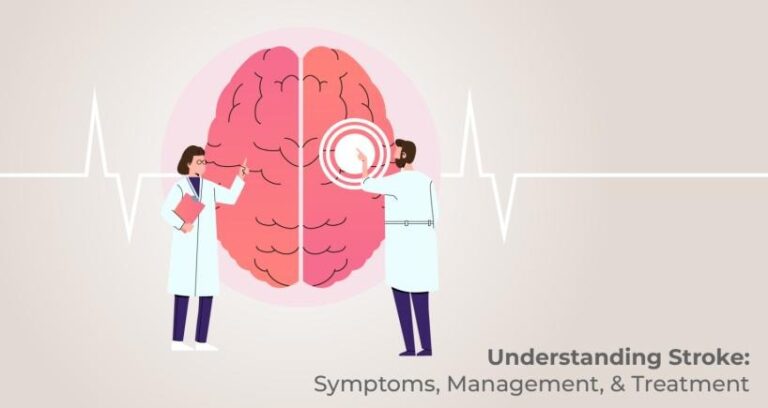
5. Stroke or Transient Ischemic Attack (TIA)
Sudden numbness, especially on one side of the body, could be a warning sign of a stroke and requires immediate medical attention.
Diagnosis and Evaluation
A proper diagnosis involves a detailed clinical examination and may include:
- Neurological assessment
- MRI or CT scans
- Nerve conduction studies
- Blood tests to identify underlying conditions
Early diagnosis helps in preventing progression and improving outcomes.
Treatment Options
Treatment depends on the underlying cause and may include:
- Medications to relieve nerve pain
- Physiotherapy and lifestyle modifications
- Surgical intervention in cases of severe nerve compression
- Management of underlying conditions like diabetes
When to See a Neurosurgeon
If your symptoms are persistent, worsening, or affecting your daily activities, consulting a neurosurgeon is advisable. Early intervention can prevent long-term complications and improve quality of life.