Brain Aneurysm: The Warning Signs Before It Ruptures
A brain aneurysm can exist silently for years without causing noticeable symptoms. In some cases, however, an aneurysm may produce warning symptoms before it ruptures.
Understanding these symptoms is important because a ruptured brain aneurysm can cause a life-threatening condition called subarachnoid haemorrhage, which requires immediate medical attention.
So, what exactly is a brain aneurysm, and what warning signs should you know?
What Is a Brain Aneurysm?
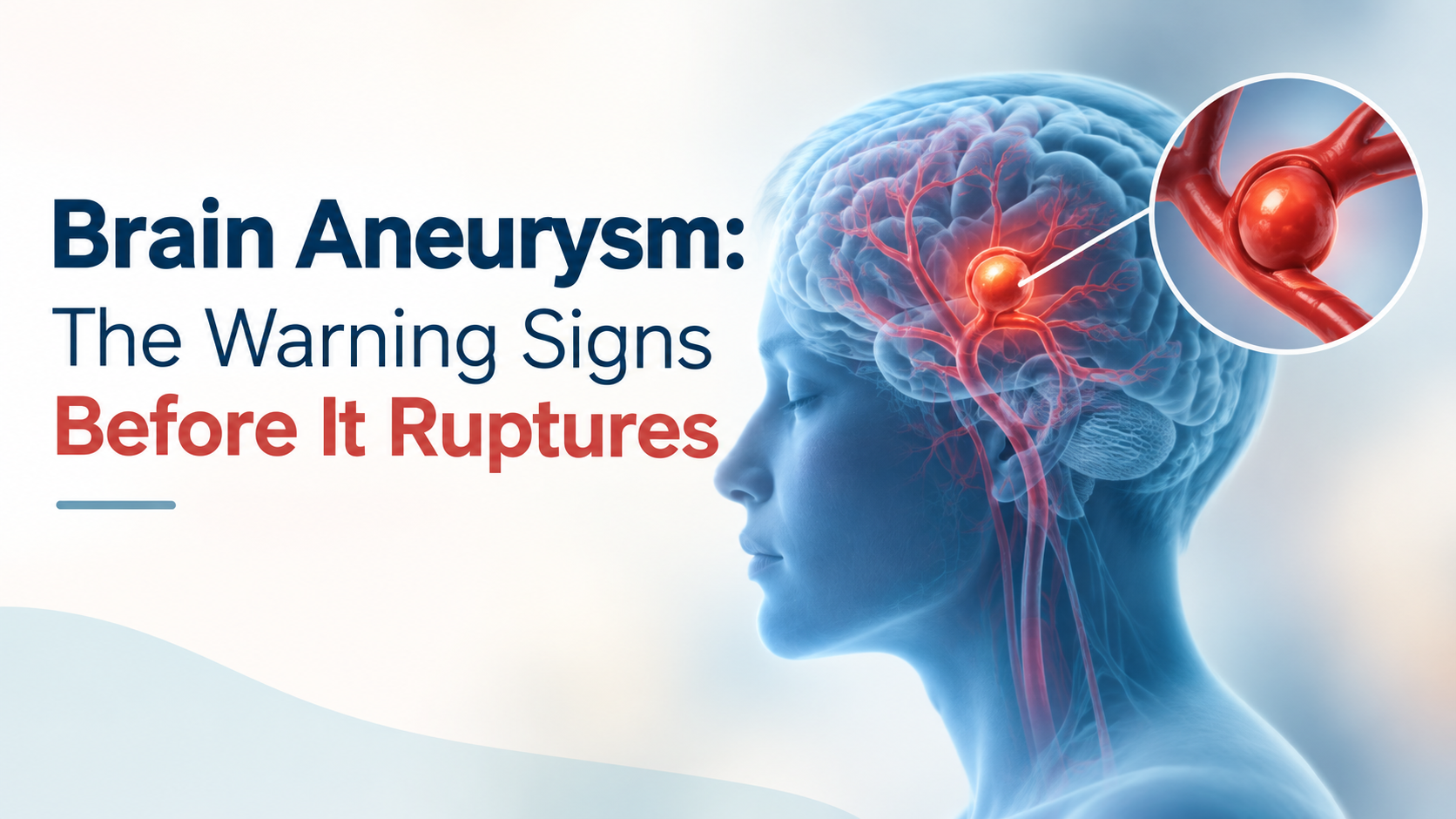
A brain aneurysm is a weak or thin area in the wall of a blood vessel in the brain. As blood flows through the vessel, this weakened area can bulge outward, forming an aneurysm.
Many brain aneurysms are small and never rupture. However, some can grow or rupture, potentially causing bleeding around the brain.
The risk of rupture varies depending on factors such as aneurysm size, location, shape, previous history of bleeding, and certain patient-related risk factors.
Can a Brain Aneurysm Cause Symptoms Before Rupturing?
Often, an unruptured aneurysm causes no symptoms at all.
However, a larger aneurysm may press against nearby nerves or brain structures and cause symptoms.
Possible warning symptoms can include:
1. Sudden or Unusual Headache
A new headache that is unusually severe or different from your usual headaches should not be ignored, particularly if it develops suddenly.
A sudden, extremely severe headache—often described as a “thunderclap headache”—can be a warning sign of aneurysm rupture.
This is a medical emergency.
2. Pain Around the Eye
An aneurysm pressing on nearby nerves may sometimes cause pain around or behind the eye.
3. Changes in Vision
Blurred or double vision, or other changes in eyesight, can occasionally occur when an aneurysm affects nerves responsible for eye movement or vision.
4. Drooping Eyelid
A drooping eyelid, particularly when accompanied by an abnormal pupil or double vision, can indicate pressure on a cranial nerve.
5. Numbness or Weakness
Some larger aneurysms may cause neurological symptoms by pressing on nearby structures.
However, these symptoms can have many other causes, so they should always be medically evaluated.
The Most Important Warning Sign: A Sudden Severe Headache
If an aneurysm ruptures, blood can leak into the space surrounding the brain.
One of the most characteristic symptoms is a sudden and extremely severe headache.
Other symptoms may include:
- Nausea or vomiting
- Neck stiffness
- Loss of consciousness
- Sensitivity to light
- Seizures
- Confusion
- Weakness or difficulty speaking
These symptoms require immediate emergency medical attention.
Do not wait for the headache to settle on its own.
What Increases the Risk of Brain Aneurysm?
Several factors can increase the likelihood of developing or rupturing an aneurysm. These may include:
- High blood pressure
- Smoking
- Family history of brain aneurysm
- Certain inherited conditions
- Increasing age
- Previous aneurysm
- Excessive alcohol consumption
Having one or more risk factors does not mean that a person has an aneurysm, but it may be important to discuss them with a doctor.
How Is a Brain Aneurysm Diagnosed?
If an aneurysm is suspected, a doctor may recommend imaging tests depending on the clinical situation.
These may include:
- CT scan
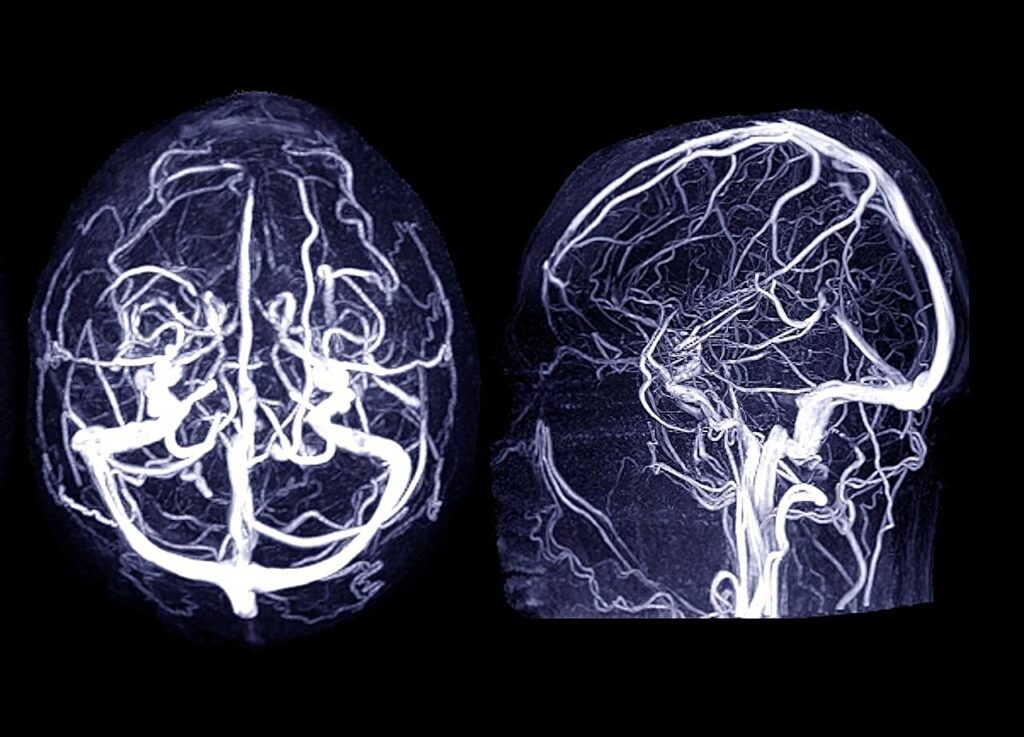
- CT angiography (CTA)
- MRI
- Magnetic resonance angiography (MRA)
- Cerebral angiography in selected cases
The appropriate test depends on the patient’s symptoms and circumstances.
Does Every Brain Aneurysm Need Treatment?
No.
Some small, low-risk aneurysms may be monitored with regular imaging and management of risk factors.
Others may require treatment to reduce the risk of rupture.
Treatment options can include surgical clipping or endovascular procedures, depending on the aneurysm’s size, shape, location, and the patient’s overall condition.
The decision should be made after careful evaluation by a neurosurgical and/or neurovascular team.
When Should You Seek Emergency Help?
Seek emergency medical attention immediately if you or someone around you develops:
A sudden, severe headache that reaches maximum intensity very quickly, especially if accompanied by vomiting, neck stiffness, fainting, seizures, confusion, weakness, or difficulty speaking.
A ruptured aneurysm is a medical emergency where rapid diagnosis and treatment can be critical.
Final Takeaway
A brain aneurysm may remain completely silent, which is why there is no single symptom that can reliably predict rupture.
However, certain symptoms—particularly a sudden, extremely severe headache—should never be ignored.
Early evaluation can help determine whether an aneurysm is present and whether monitoring or treatment is appropriate.
If you have unusual neurological symptoms, recurrent unexplained headaches, or risk factors associated with brain aneurysm, consult a qualified neurosurgeon for appropriate evaluation.
Dr. Sabhyasachi Saha specialises in the evaluation and management of neurological and neurosurgical conditions, helping patients understand their diagnosis and available treatment options.