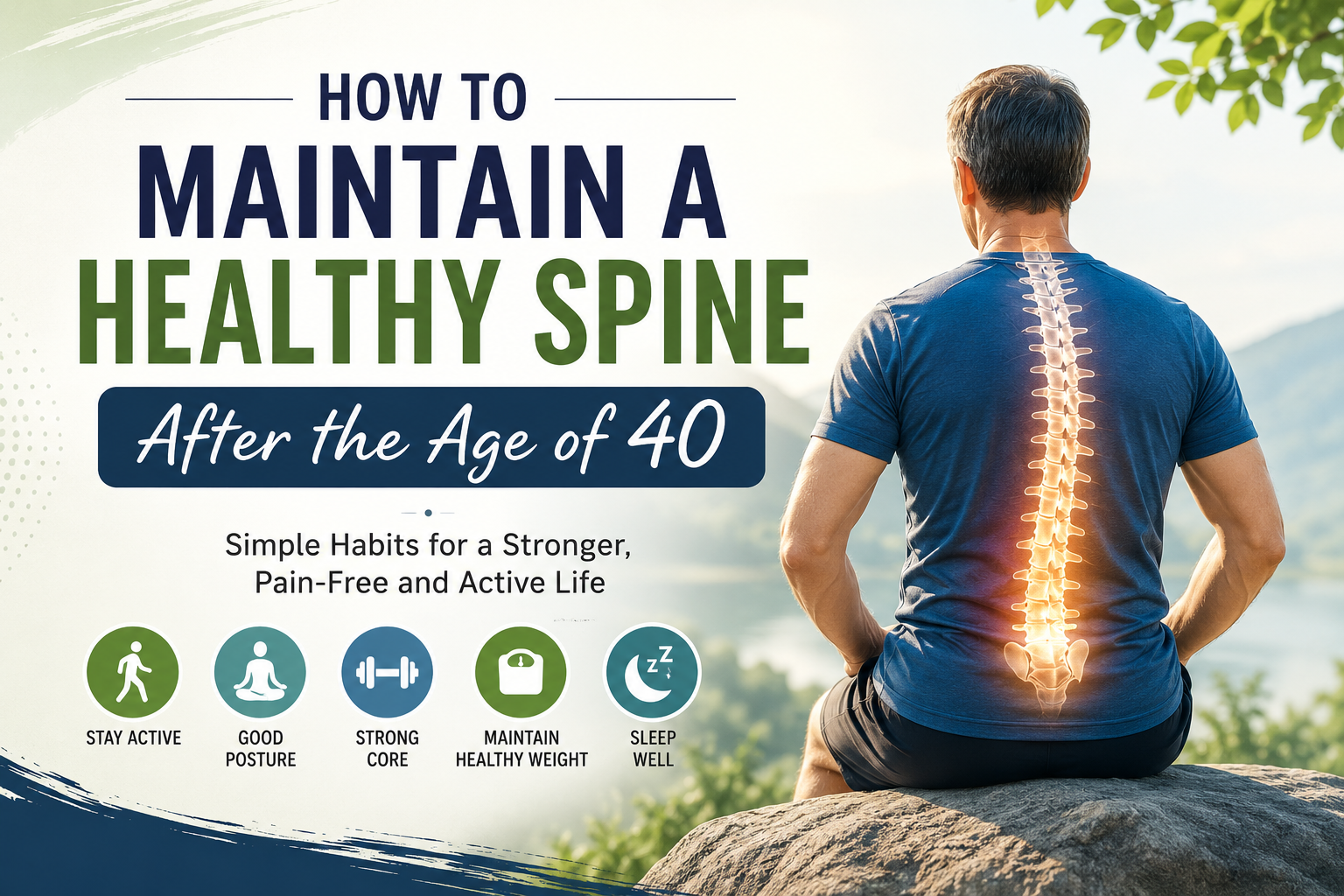
How to Maintain a Healthy Spine After the Age of 40
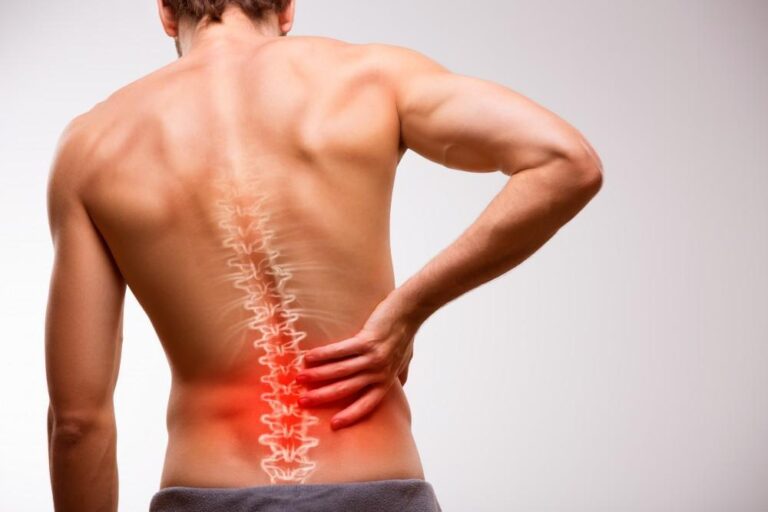
As we age, our bodies naturally undergo changes, and the spine is no exception. After the age of 40, the discs between the vertebrae begin to lose some of their flexibility and cushioning, making the spine more vulnerable to stiffness, pain, and injury. However, with the right habits and lifestyle choices, it is possible to maintain a healthy spine and enjoy an active, pain-free life for years to come.
Stay Physically Active
Regular exercise is one of the best ways to keep your spine healthy. Physical activity strengthens the muscles that support the spine, improves flexibility, and helps maintain proper posture.
Low-impact activities such as walking, swimming, cycling, and yoga are particularly beneficial. Aim for at least 30 minutes of moderate exercise most days of the week.
Focus on Core Strength
Your core muscles—including the abdominal, back, and pelvic muscles—play a crucial role in supporting the spine. Weak core muscles can increase stress on the lower back and contribute to pain.
Incorporate simple core-strengthening exercises into your routine, such as planks, bridges, and supervised strengthening programs recommended by a healthcare professional.
Maintain Good Posture
Poor posture can place unnecessary strain on the spine and surrounding muscles. Whether you’re sitting at a desk, driving, or using a smartphone, maintaining proper alignment is essential.
Keep your shoulders relaxed, your back supported, and your screen at eye level. Avoid prolonged slouching or hunching forward.
Watch Your Weight
Excess body weight, especially around the abdomen, can increase pressure on the spine and accelerate wear and tear. Maintaining a healthy weight helps reduce stress on the back and lowers the risk of spinal problems.
A balanced diet combined with regular exercise can help keep your weight under control.
Lift Objects Correctly
Improper lifting techniques are a common cause of back injuries. As the spine becomes more susceptible to strain with age, it is important to be mindful when lifting heavy items.
Always bend your knees, keep the object close to your body, and avoid twisting while lifting.
Prioritize Bone Health
Strong bones are essential for a healthy spine. Ensure your diet includes adequate calcium and vitamin D to support bone strength and reduce the risk of osteoporosis.
Foods such as dairy products, leafy green vegetables, nuts, and fortified foods can help meet your nutritional needs.
Sleep Smart
Your sleeping posture and mattress can significantly affect spinal health. A supportive mattress and pillow help maintain proper spinal alignment during sleep.
Sleeping on your back or side is generally recommended, while sleeping on your stomach may place unnecessary strain on the neck and back.
Don’t Ignore Persistent Pain
Occasional aches and stiffness can be a normal part of aging, but persistent back or neck pain should not be ignored. Early evaluation and treatment can prevent minor issues from becoming more serious problems.
Consult a healthcare professional if pain lasts for several weeks, worsens over time, or is accompanied by numbness, weakness, or difficulty walking.
The Bottom Line
Turning 40 does not mean accepting back pain as a part of life. By staying active, maintaining good posture, strengthening your core, eating a healthy diet, and seeking timely medical advice when needed, you can protect your spine and maintain mobility for years to come.
A healthy spine is key to an active and independent lifestyle—making it one of the most important investments you can make in your long-term health and well-being.