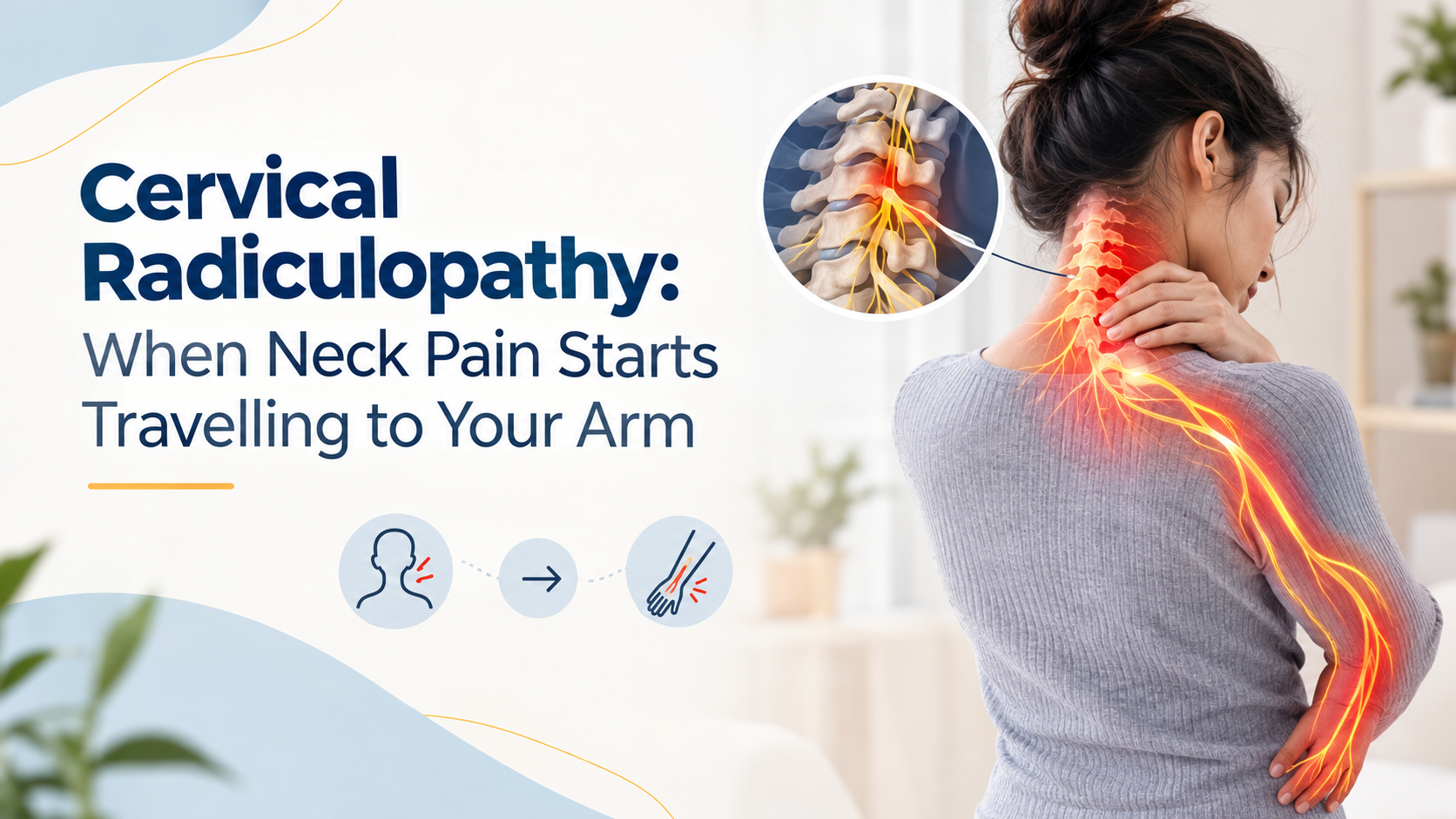
Cervical Radiculopathy: When Neck Pain Starts Travelling to Your Arm
Neck pain is extremely common. It may occur after long hours at a desk, poor posture, muscle strain, or an awkward sleeping position.
But what if the pain doesn’t stay in your neck?
If pain begins travelling from your neck into your shoulder, arm, or hand—or is accompanied by tingling, numbness, or weakness—it may be more than ordinary neck pain.
One possible cause is cervical radiculopathy, commonly described as a “pinched nerve” in the neck.
What Is Cervical Radiculopathy?
Cervical radiculopathy occurs when a nerve root in the cervical spine—the neck portion of the spine—becomes irritated or compressed.
The cervical spine contains seven vertebrae. Nerves leaving the spinal cord through openings between these vertebrae travel toward the shoulders, arms, and hands.
When one of these nerve roots is compressed, symptoms can occur along the pathway of that nerve.
This is why the pain may travel from the neck into the arm.
What Causes Cervical Radiculopathy?
Several conditions can put pressure on a cervical nerve root.
Herniated Disc
The soft disc between two vertebrae can bulge or herniate and press against a nearby nerve.
Age-Related Wear and Tear
As we age, discs can lose height and flexibility, while bone spurs may develop. These changes can narrow the spaces through which nerves pass.
Cervical Spinal Stenosis
Narrowing around the spinal canal or nerve openings can contribute to nerve compression.
Injury
A neck injury may sometimes result in disc problems or other changes that irritate a nerve.
What Does Cervical Radiculopathy Feel Like?
Symptoms vary depending on which nerve is affected.
Common symptoms include:
- Neck pain
- Pain travelling into the shoulder or arm
- Burning or shooting pain
- Tingling or “pins and needles”
- Numbness in the arm or hand
- Weakness in certain arm or hand muscles
Some patients notice that symptoms become worse with particular neck movements, coughing, or straining.
Why Does the Pain Travel Down the Arm?
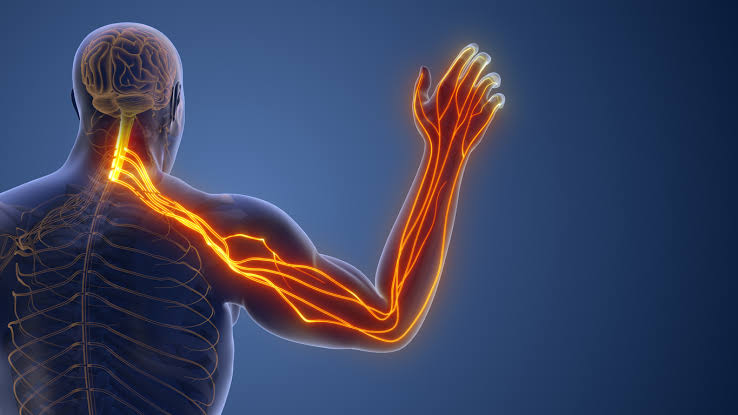
This happens because the affected nerve carries signals between the spinal cord and a particular region of the upper limb.
When the nerve root is irritated, the brain may perceive pain or abnormal sensations along the nerve’s distribution.
This is why a problem originating in the neck can produce symptoms much farther down the arm.
Is Every Case Serious?
Not necessarily.
Many people with cervical radiculopathy improve with non-surgical treatment.
Depending on the cause and severity, treatment may include:
- Medication
- Physiotherapy
- Activity modification
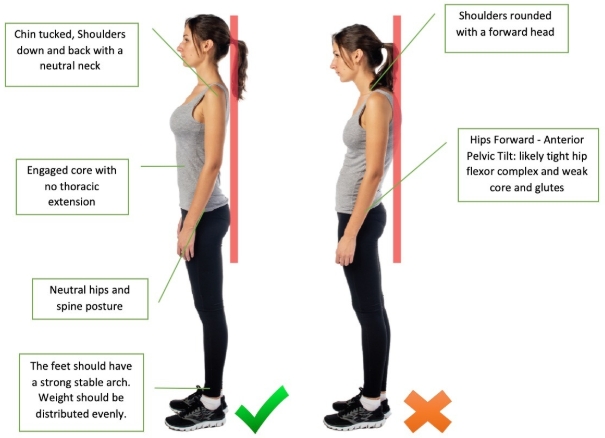
- Posture correction
- Exercises recommended by a qualified professional
- Other conservative measures
The appropriate treatment depends on the underlying cause.
When Should You See a Neurosurgeon?
Persistent or worsening symptoms deserve medical evaluation.
You should especially seek professional assessment if you experience:
- Progressive arm or hand weakness
- Persistent numbness
- Severe or worsening pain
- Difficulty using the hand
- Symptoms that do not improve with conservative treatment
- Problems with walking or balance
- Symptoms affecting both arms or multiple limbs
Significant neurological weakness should not be ignored.
How Is Cervical Radiculopathy Diagnosed?
Diagnosis begins with a detailed medical history and neurological examination.
Depending on the symptoms, a doctor may recommend imaging such as an MRI of the cervical spine to identify disc herniation, nerve compression, spinal stenosis, or other structural abnormalities.
In selected cases, additional tests may be needed to distinguish cervical radiculopathy from other conditions that can cause arm pain or numbness.
Does Cervical Radiculopathy Always Require Surgery?
No.
Surgery is not the first treatment for every patient.
Many cases can be managed without surgery, particularly when there is no significant or progressive neurological deficit.
However, surgery may be considered when there is persistent severe nerve compression, progressive weakness, significant neurological impairment, or symptoms that do not respond adequately to appropriate conservative treatment.
The surgical procedure depends on the underlying spinal problem and the individual patient’s condition.
Don’t Ignore Weakness
Pain can sometimes be tolerated or temporarily managed with medication. Progressive weakness is different.
If you notice that your grip is becoming weaker, objects are slipping from your hand, or you are struggling to perform tasks that were previously easy, you should seek medical attention.
Early evaluation can help identify the cause and determine the appropriate treatment.
Final Takeaway
Neck pain that travels into the shoulder, arm, or hand may be a sign of cervical radiculopathy, particularly when accompanied by tingling, numbness, or weakness.
The good news is that many patients improve with appropriate non-surgical treatment. However, persistent symptoms or neurological weakness should be properly evaluated rather than ignored.
If you are experiencing neck pain that is travelling into your arm or persistent numbness, tingling, or weakness, consult a qualified neurosurgeon or spine specialist for a proper diagnosis.
Dr. Sabhyasachi Saha provides comprehensive evaluation and management of spine and neurological conditions, with treatment planned according to each patient’s symptoms, diagnosis, and individual requirements.