
Brain Tumour Symptoms: When Should a Persistent Headache Raise Concern?
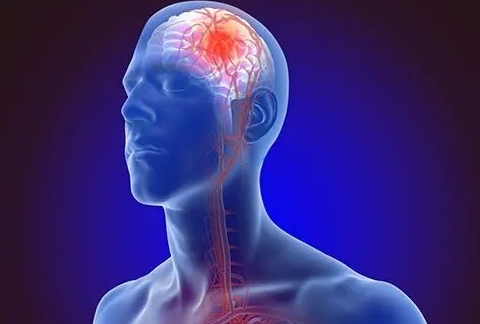
A headache is one of the most common health complaints, affecting people of all ages. In most cases, headaches are caused by stress, dehydration, lack of sleep, migraine, or other common conditions. However, when a headache becomes persistent, progressively worsens, or occurs alongside unusual neurological symptoms, it is important not to ignore it. In rare cases, a headache may be associated with a brain tumour.
Understanding the warning signs can help individuals recognise when medical evaluation is necessary and seek appropriate care at the right time.
What Is a Brain Tumour?
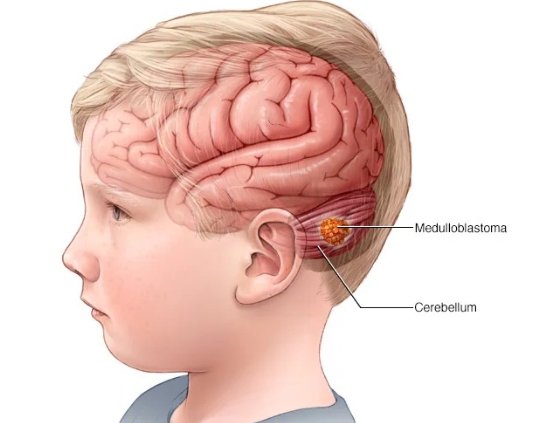
A brain tumour develops when abnormal cells grow in or around the brain. Brain tumours can be benign (non-cancerous) or malignant (cancerous). Even a benign tumour can sometimes cause serious problems if it grows in a location that affects important brain structures.
Symptoms depend on the tumour’s size, location, and growth rate. While headaches can occur in people with brain tumours, having a headache alone does not mean that a person has one.
When Should a Persistent Headache Raise Concern?
Most headaches are not caused by brain tumours. However, certain changes in headache patterns may require medical attention.
1. Headaches That Gradually Become Worse
A headache that becomes more frequent, severe, or persistent over time should be evaluated, particularly if it differs from your usual headaches or does not improve as expected.
2. Headaches Accompanied by Nausea or Vomiting
Unexplained or recurrent nausea and vomiting alongside persistent headaches may sometimes indicate increased pressure inside the skull. These symptoms are more concerning when they occur together or are accompanied by other neurological changes.
3. Headaches Associated With Vision Problems
Blurred vision, double vision, or unexplained changes in eyesight, especially when accompanied by headaches, should not be overlooked. These symptoms may have several causes and warrant appropriate assessment.
4. New Seizures
A first-time seizure in an adult requires urgent medical evaluation. Although seizures can occur for many reasons, they may sometimes be associated with a brain tumour or another neurological condition.
5. Weakness, Balance Problems, or Speech Difficulties
New weakness or numbness affecting an arm or leg, difficulty walking, problems with coordination, or changes in speech may indicate a neurological problem. Sudden onset of these symptoms requires emergency medical attention.
Are Morning Headaches a Warning Sign?
Some people experience headaches that are worse in the morning or become more noticeable when coughing, straining, or bending over. These patterns can occasionally be associated with increased pressure inside the skull, but they are not specific to brain tumours.
The timing of a headache alone cannot establish its cause. A medical professional must consider the overall symptoms, medical history, and examination findings.
How Are Brain Tumours Diagnosed?
If a brain tumour is suspected, a doctor will assess the patient’s symptoms, medical history, and neurological function. Depending on the findings, further investigations may be recommended.
Magnetic resonance imaging (MRI) is commonly used to examine the brain in detail. Computed tomography (CT) scans may also be used in certain situations, particularly when rapid assessment is needed.
Not every persistent headache requires brain imaging. The decision depends on clinical findings and the presence of concerning symptoms.
When Should You Seek Medical Help?
Consult a healthcare professional if headaches are new, progressively worsening, persistent, or accompanied by unexplained neurological symptoms.
Seek emergency medical attention for a sudden, extremely severe headache, a first seizure, sudden weakness, difficulty speaking, confusion, or loss of consciousness.
Final Takeaway
A persistent headache does not necessarily indicate a brain tumour, as most headaches are caused by more common conditions.
However, headaches that progressively worsen or occur alongside seizures, vision changes, unexplained vomiting, weakness, or balance problems should not be ignored.
Early medical evaluation can help identify the underlying cause and determine whether further investigations, such as an MRI or CT scan, are necessary.
If you experience persistent or unusual headaches, particularly alongside neurological symptoms, consult a qualified neurosurgeon for appropriate evaluation.
Dr. Sabyasachi Saha specialises in the evaluation and management of neurological and neurosurgical conditions, helping patients understand their diagnosis and available treatment options.