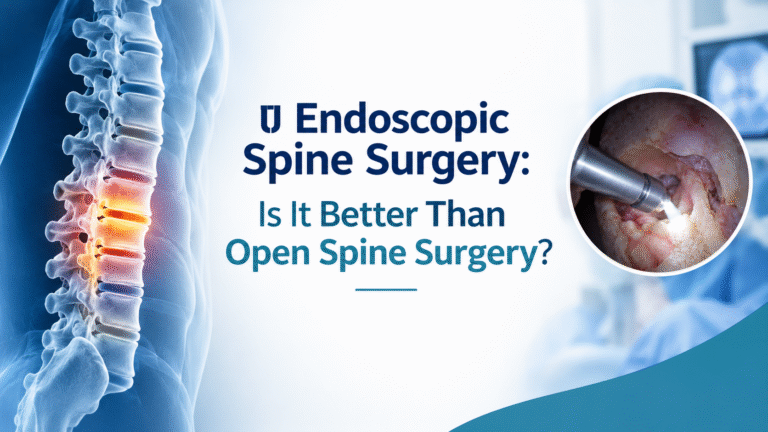
Spine Surgery Myths That Create Unnecessary Fear
When people hear the words spine surgery, fear is often the first reaction. The spine protects the spinal cord, which is vital for movement and sensation, so it’s natural to feel anxious. However, much of this fear comes from outdated information and common myths. Let’s clear up some of the biggest misconceptions.
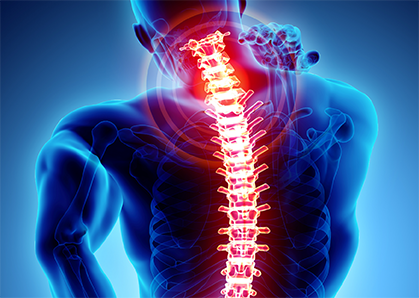
Myth 1: Spine Surgery Always Leads to Paralysis
One of the most common fears is paralysis. In reality, modern spine surgeries are performed with advanced imaging, precision instruments, and neuromonitoring systems that significantly reduce risks. While every surgery carries some risk, paralysis is extremely rare, especially when performed by experienced spine specialists.
Myth 2: Surgery Is the First and Only Option
Many people believe doctors immediately recommend surgery for back pain. The truth is quite the opposite. Most spine specialists suggest conservative treatments first—such as medication, physiotherapy, lifestyle changes, or injections. Surgery is usually considered only when these options fail or when there is severe nerve compression, instability, or loss of function.
Myth 3: Recovery Takes Years
Recovery time depends on the type of procedure and the patient’s overall health. Minimally invasive spine surgeries have significantly reduced hospital stays and downtime. Many patients are able to walk the same day or the next day after surgery and resume daily activities within weeks—not years.
Myth 4: Spine Surgery Means Permanent Bed Rest
Gone are the days when long-term bed rest was advised. Today, early movement is encouraged because it improves circulation, reduces complications, and speeds up recovery. Most patients are guided through structured rehabilitation programs to regain strength and mobility safely.
Myth 5: Back Pain Always Returns After Surgery
While no procedure can guarantee zero future pain, many patients experience significant and long-lasting relief after spine surgery. The success of the surgery depends on accurate diagnosis, proper surgical technique, and following post-operative care instructions. Lifestyle habits such as maintaining a healthy weight and practicing good posture also play a crucial role in long-term results.
Myth 6: Only Elderly People Need Spine Surgery
Spine issues can affect people of all ages. Conditions like herniated discs, spinal injuries, or congenital abnormalities may require surgical treatment even in younger adults. Age alone does not determine the need for surgery—symptoms and severity do.
The Bottom Line
Fear often grows from misinformation. Modern spine surgery has evolved dramatically with safer techniques, better technology, and faster recovery pathways. If you or a loved one is advised to consider spine surgery, consult a qualified spine specialist, ask questions, and make an informed decision rather than relying on myths.
Understanding the facts can replace fear with confidence—and help you take the right step toward a pain-free life.