

How Lifestyle and Screen Time Are Affecting Spine Health in Young Adults
Back and neck pain were once considered problems associated with aging. Today, however, an increasing number of young adults are experiencing spinal issues due to modern lifestyle habits. Long hours spent on smartphones, laptops, and other digital devices, combined with a lack of physical activity, are placing unprecedented strain on the spine.
Understanding how everyday habits affect spinal health is the first step toward preventing long-term problems.
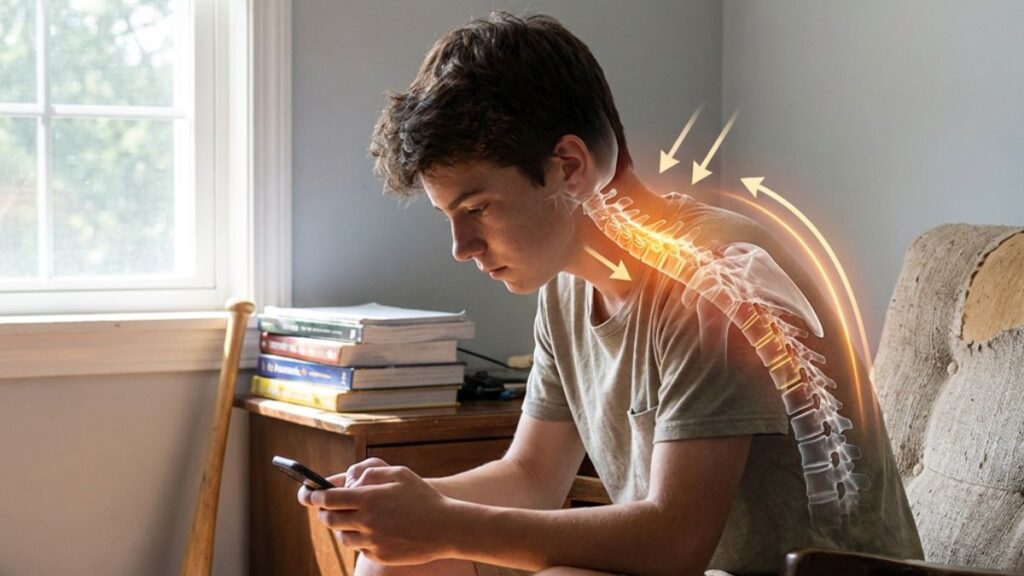
The Rise of “Tech Neck”
One of the most common spine-related issues among young adults is “tech neck.” This condition occurs when people spend prolonged periods looking down at their phones, tablets, or laptops.
When the head is tilted forward, the pressure on the neck increases significantly. Over time, this can lead to:
- Neck pain and stiffness
- Shoulder discomfort
- Headaches
- Reduced mobility
- Poor posture
The more time spent in this position, the greater the strain on the cervical spine.
Prolonged Sitting and Poor Posture
Many young adults spend hours studying, working, gaming, or streaming content while sitting. Unfortunately, prolonged sitting often leads to slouching, rounded shoulders, and poor spinal alignment.
Poor posture can place excessive stress on the muscles, ligaments, and discs that support the spine, increasing the risk of chronic back and neck pain.
Lack of Physical Activity
A sedentary lifestyle has become increasingly common in the digital age. Limited physical activity weakens the core and back muscles that help stabilize the spine.
Weak supporting muscles can result in:
- Lower back pain
- Poor posture
- Increased risk of injury
- Reduced flexibility
Regular movement is essential for maintaining spinal strength and mobility.
The Impact of Excessive Screen Time
Beyond posture-related issues, excessive screen time often reduces opportunities for physical activity, outdoor recreation, and exercise. Many young adults remain seated for several hours without taking breaks, causing muscle fatigue and increased pressure on the lower back.
Extended screen exposure may also contribute to poor sleep habits, which can affect muscle recovery and overall spinal health.
Warning Signs You Shouldn’t Ignore
Young adults should seek medical advice if they experience:
- Persistent neck or back pain
- Tingling or numbness in the arms or legs
- Frequent headaches related to posture
- Muscle weakness
- Pain that interferes with daily activities
Early intervention can prevent minor issues from developing into chronic conditions.
How to Protect Your Spine
Fortunately, a few simple habits can make a significant difference:
- Keep screens at eye level whenever possible.
- Take a movement break every 30–60 minutes.
- Maintain proper sitting posture with adequate back support.
- Exercise regularly to strengthen core and back muscles.
- Limit recreational screen time when possible.
- Stretch the neck, shoulders, and back throughout the day.
The Bottom Line
Technology has become an essential part of modern life, but excessive screen time and sedentary habits are taking a toll on the spinal health of young adults. Poor posture, prolonged sitting, and lack of physical activity can lead to pain and long-term spinal problems if left unaddressed.
By adopting healthier habits today, young adults can protect their spine, improve posture, and reduce the risk of chronic neck and back issues in the future. After all, a healthy spine is the foundation of an active and productive life.