Understanding Stroke: Why Timely Neurosurgical Care Saves Lives
A stroke is one of the most urgent medical emergencies a person can face. It occurs when the blood supply to the brain is disrupted—either due to a blockage (ischemic stroke) or bleeding in the brain (hemorrhagic stroke). In both cases, brain cells begin to die within minutes. That’s why timely diagnosis and quick intervention, especially from an experienced neurosurgeon, can make the difference between full recovery and long-term disability.
In this blog, we break down what a stroke is, why immediate neurosurgical care is crucial, and how advanced treatment options can save lives.
What is a Stroke?
A stroke happens when the brain is deprived of oxygen and nutrients. There are two major types:
1. Ischemic Stroke
Caused by a blood clot blocking a vessel in the brain. This is the most common type, accounting for nearly 80% of all strokes.
2. Hemorrhagic Stroke
Happens when a blood vessel ruptures and causes bleeding inside the brain. Though less common, it is often more severe and requires urgent neurosurgical intervention.
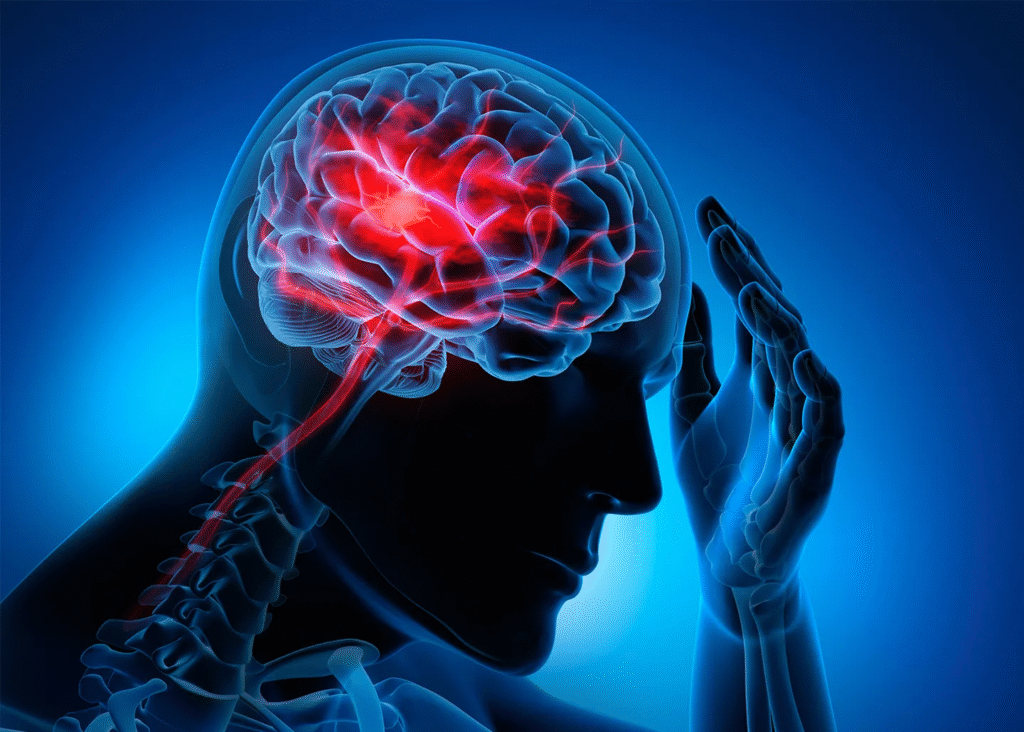
Both conditions need immediate medical attention. The brain is extremely sensitive to lack of blood flow—every minute counts.
Why Timely Treatment Matters
The phrase “time is brain” is literal. For every minute a major stroke goes untreated, an estimated 1.9 million brain cells are lost. Delayed treatment can result in:
- Permanent disability
- Memory and speech problems
- Paralysis
- Loss of independence
- Increased risk of death
Early diagnosis through CT or MRI scans and quick transfer to a stroke-ready neurosurgical department can drastically improve patient outcomes.
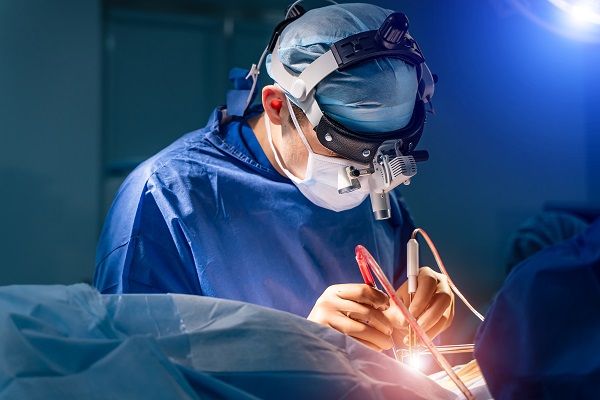
Role of Neurosurgery in Stroke Management
While some strokes can be treated with medicines like clot-dissolving drugs (tPA), many require advanced neurosurgical procedures. These include:
1. Mechanical Thrombectomy
A minimally invasive procedure where neurosurgeons remove the blood clot using a catheter inserted through the artery. This is life-saving for large vessel blockages.
2. Aneurysm Clipping or Coiling
For strokes caused by ruptured aneurysms, neurosurgeons stop the bleeding and secure the weak vessel.
3. Decompressive Craniectomy
A crucial surgery performed when brain swelling becomes life-threatening. Removing a section of the skull helps relieve pressure and prevent further damage.
4. Hematoma Evacuation
In cases of bleeding in the brain, neurosurgeons remove the collected blood to reduce pressure on brain tissue.
These procedures require precision, experience, and immediate action—making the role of a skilled neurosurgeon vital.
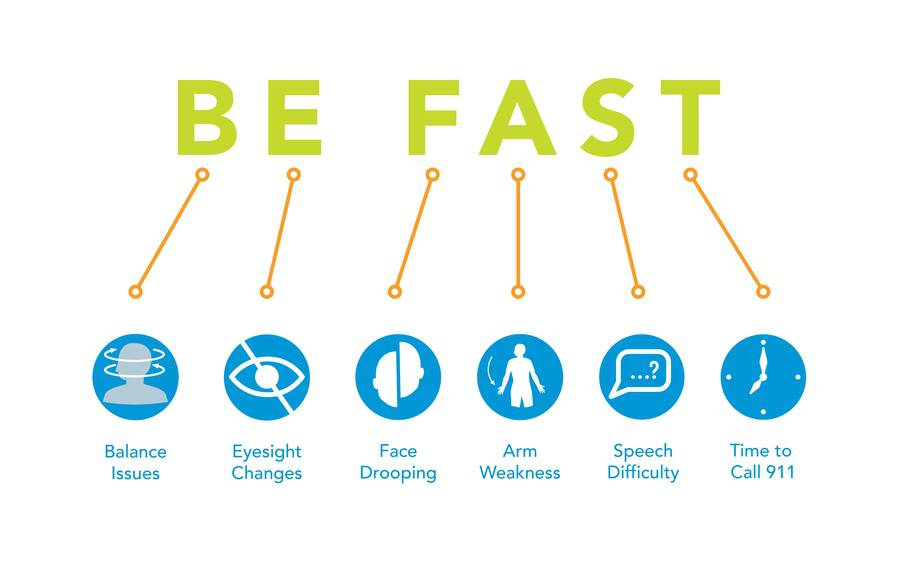
Recognizing Stroke Symptoms: BEFAST
The FAST method helps identify early warning signs of a stroke:
- B – Balance problem
- E – Eye problem
- F – Facial drooping
- A – Arm weakness
- S – Speech difficulty
- T – Time to call emergency services
Quick response ensures that the patient receives timely care, increasing their chances of survival and recovery.
Rehabilitation: A Key Part of Recovery
After neurosurgical treatment, rehabilitation helps stroke survivors regain strength and independence. A tailored plan may include:
- Physiotherapy
- Speech therapy
- Occupational therapy
- Neurocognitive training
Comprehensive care and follow-ups make a significant difference in long-term outcomes.