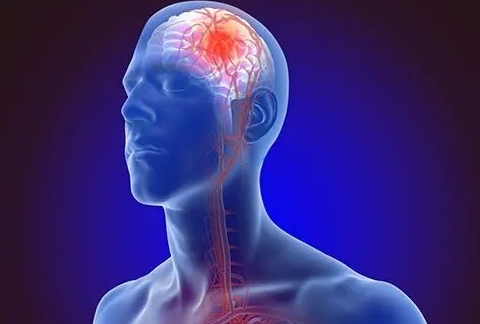
Recognizing a Stroke: Every Second Counts
A stroke occurs when blood flow to a part of the brain is suddenly interrupted, depriving brain cells of oxygen. It’s one of the leading causes of death and disability worldwide—but the good news is that timely medical attention can save lives and restore function.
There are two main types of stroke: ischemic, caused by a blocked artery, and hemorrhagic, caused by bleeding in the brain. Recognizing early warning signs is crucial. Remember the acronym BE FAST:
Balance – Sudden loss of coordination
Eyes – Blurred or double vision
Face – Drooping on one side
Arms – Weakness or numbness
Speech – Slurred or difficulty speaking
Time – Act fast and call emergency services immediately
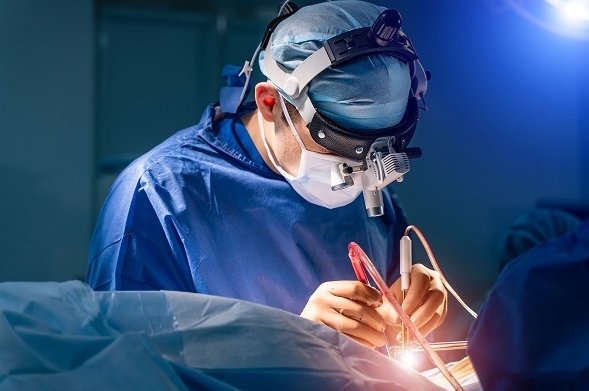
Modern neurosurgical interventions such as clot removal, aneurysm repair, and minimally invasive brain procedures can significantly improve recovery if performed promptly. Rehabilitation, along with lifestyle changes—healthy diet, regular exercise, and avoiding smoking—plays a key role in long-term recovery.
Stroke can happen to anyone, but awareness and quick response can make all the difference. Your brain’s health is in your hands—act fast, think smart.