Preventing Neuro Problems in Senior Citizens
As life expectancy increases, neurological health in senior citizens has become more important than ever. Aging naturally affects the brain and nervous system, but with the right lifestyle choices, many neuro problems such as stroke, dementia, Parkinson’s disease, neuropathy, and memory loss can be delayed or prevented.

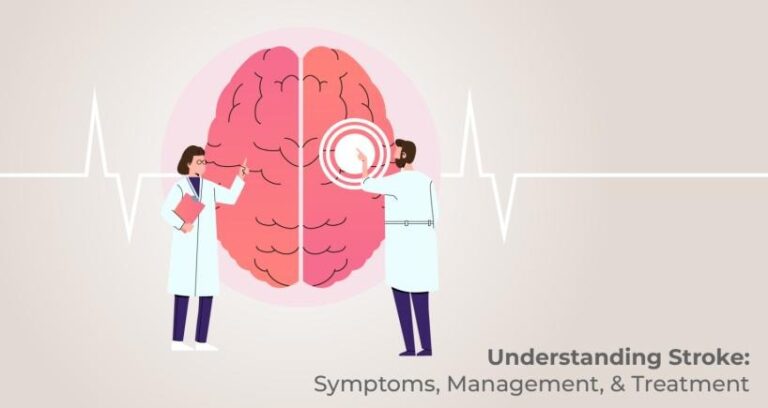
One of the most effective strategies for brain health in elderly individuals is maintaining a healthy lifestyle. Regular physical exercise improves blood circulation to the brain, reduces the risk of stroke, and enhances cognitive function. Activities like walking, yoga, and light strength training are highly beneficial.
A balanced brain-boosting diet rich in omega-3 fatty acids, antioxidants, green leafy vegetables, nuts, and whole grains supports cognitive health. Controlling blood pressure, diabetes, and cholesterol is crucial, as these are major risk factors for neurological disorders.
Mental stimulation also plays a key role in preventing cognitive decline. Engaging in reading, puzzles, learning new skills, social interaction, and memory exercises strengthens neural connections and reduces the risk of Alzheimer’s disease.
Quality sleep hygiene is equally important. Poor sleep is linked to memory impairment and increased risk of neurodegenerative diseases. Seniors should aim for 7–8 hours of restful sleep daily.
Regular neurological check-ups help in early detection of warning signs such as tremors, balance issues, sudden headaches, or changes in speech and behavior. Early diagnosis leads to better management and improved quality of life.
In conclusion, preventing neuro problems in senior citizens requires a combination of healthy habits, medical monitoring, mental engagement, and emotional well-being. With proactive care and awareness, seniors can maintain strong brain health and enjoy an active, independent life.