
How Technology Has Changed Neurosurgery in the Last 10 Years
Over the past decade, neurosurgery has undergone a quiet revolution, driven by rapid advances in technology. What once required large incisions and long recovery times is now increasingly precise, minimally invasive, and safer for patients.
One of the biggest breakthroughs has been high-resolution imaging. Advanced MRI, CT scans, and functional imaging now allow surgeons to map the brain in extraordinary detail before entering the operating room. This improves diagnosis, surgical planning, and outcomes—especially in complex cases involving tumors, epilepsy, or vascular disorders.
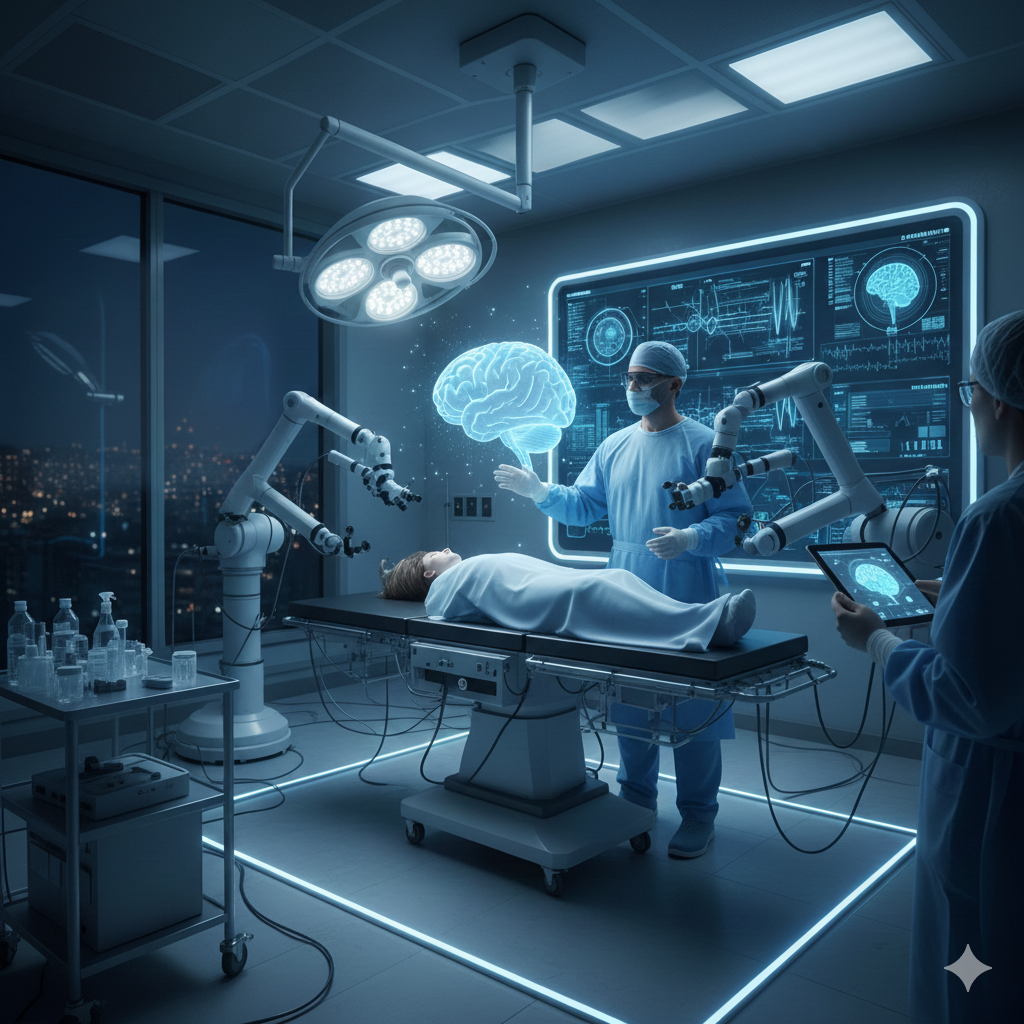
Navigation and robotics have also transformed neurosurgical procedures. Image-guided navigation systems work like GPS for the brain, helping surgeons reach exact locations with minimal disruption to healthy tissue. Robotic assistance enhances stability and accuracy, reducing human error during delicate operations.
The rise of minimally invasive techniques has significantly improved patient recovery. Endoscopic and keyhole surgeries allow surgeons to access deep brain areas through small openings, resulting in less pain, fewer complications, and shorter hospital stays.
Technology has also reshaped care beyond the operating room. Artificial intelligence and data analytics are being used to predict surgical risks, assist in diagnosis, and personalize treatment plans. Meanwhile, advanced neuro-monitoring systems help protect critical brain functions during surgery in real time.
Finally, innovations such as 3D printing and virtual reality are enhancing surgical training and patient education. Surgeons can rehearse complex procedures beforehand, improving confidence and precision. In just ten years, technology has elevated neurosurgery from a high-risk specialty to one defined by accuracy, safety, and innovation ultimately transforming patient outcomes and quality of life.