How Posture Affects Your Spine and Brain Health
Posture is much more than how you look while sitting or standing. It plays a vital role in maintaining spinal alignment, protecting your nervous system, and supporting overall brain health. In today’s digital age, prolonged screen time, sedentary work habits, and poor ergonomic practices have made bad posture a common concern. Over time, improper posture can lead to chronic pain, reduced cognitive function, and long-term health complications. Understanding the connection between posture, spine health, and brain function is essential for both physical and mental well-being.
The Spine–Brain Connection
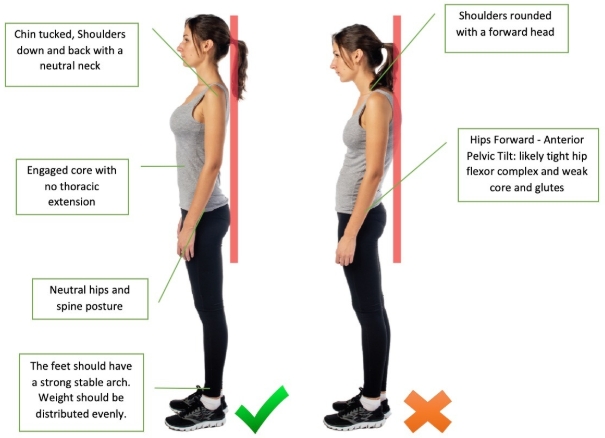
The spine is the central support system of the body and also serves as the protective channel for the spinal cord, which is a direct extension of the brain. Any misalignment in the spine can place pressure on nerves, disrupt communication between the brain and the body, and affect motor control, sensation, and organ function. Poor posture—such as slouching or forward head posture—can compress spinal discs and strain muscles, reducing the efficiency of this critical brain–body connection.
Impact of Poor Posture on Spine Health
Incorrect posture places uneven stress on the vertebrae, muscles, and ligaments. Over time, this can lead to conditions such as neck pain, lower back pain, herniated discs, and spinal degeneration. Slouching reduces the natural curves of the spine, making it less capable of absorbing shock and supporting body weight. As a result, muscles must work harder to keep you upright, leading to fatigue, stiffness, and chronic discomfort.
How Posture Influences Brain Health
Posture directly affects blood flow and oxygen delivery to the brain. When you slump or crane your neck forward, blood vessels can become compressed, reducing circulation to the brain. This may result in headaches, dizziness, brain fog, and reduced concentration. Studies also suggest that posture can influence mood and mental health. Upright posture is associated with increased alertness, confidence, and positive mood, while poor posture has been linked to stress, anxiety, and low energy levels.
Posture, Breathing, and Cognitive Function
Good posture supports proper breathing by allowing the lungs to expand fully. Slouched posture restricts the chest cavity, leading to shallow breathing and reduced oxygen intake. Since the brain relies heavily on oxygen to function optimally, poor breathing patterns caused by bad posture can negatively impact memory, focus, and decision-making abilities.
Benefits of Maintaining Good Posture
Maintaining proper posture helps preserve spinal alignment, reduces pain, improves nerve function, and enhances brain performance. It also supports better balance, coordination, and energy levels throughout the day. Simple habits such as ergonomic seating, regular stretching, mindful sitting, and strengthening core muscles can significantly improve posture and overall health.
Posture is a foundational aspect of health that connects the spine and brain in powerful ways. By paying attention to how you sit, stand, and move, you can protect your spine, support brain health, and enhance both physical and mental performance. Investing in good posture today can prevent long-term complications and contribute to a healthier, more balanced life.